
Teamsters Local 817 Drivers Agreement: What Production and Payroll Teams Need to Know About the 2026 Changes
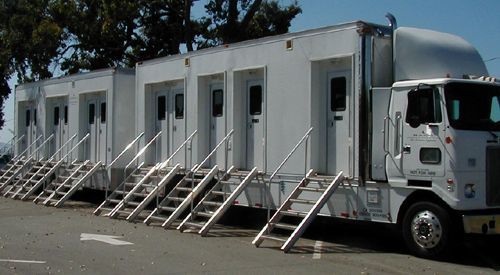
The 2025–2028 Teamsters Local 817 Drivers Agreement introduces new wage rates and changes to employer benefit contributions effective November 1, 2026. Understanding how these updates affect theatrical and television productions is essential for accurate payroll processing, production budgeting, and union compliance.
Understanding the 2025–2028 Local 817 Drivers Agreement
The 2025–2028 Teamsters Local 817 Drivers Agreement establishes wages, benefits, and working conditions for covered drivers and transportation personnel employed on qualifying theatrical and television productions within the agreement's jurisdiction. The agreement runs from November 1, 2025, through October 31, 2028, with several scheduled changes occurring throughout its term.
For production accountants, payroll professionals, and finance executives, November 1, 2026, represents an important implementation date. The most significant changes involve a 4% increase in wage rates and adjustments to employer contributions to the Welfare and Scholarship Funds. Although some contribution percentages decrease, the changes require careful attention to payroll configuration and production cost calculations.
Wage Rates Increase by 4% on November 1, 2026
Article 4 establishes separate wage schedules for theatrical and television productions. Effective November 1, 2026, the applicable minimum wage rates increase by 4% across covered classifications, subject to the agreement's published rounding. These increases follow the 7% wage adjustment implemented November 2, 2025, with an additional 3.5% increase scheduled for October 31, 2027.
The November 2026 adjustment applies to Captains, Co-Captains, Specialized Equipment Drivers, DOT Compliance personnel, Dispatcher/DOT Compliance personnel, Chauffeurs, and Helpers. Each classification has an established minimum rate, and the applicable amount depends on whether the employee works on a theatrical or television production.
For theatrical productions, the seven-hour daily minimum for a Captain increases from $483.74 to $503.09. Chauffeurs increase from $407.19 to $423.48, while Helpers increase from $390.10 to $405.70. Co-Captains, Specialized Equipment Drivers, DOT Compliance personnel, and Dispatcher/DOT Compliance personnel increase from $450.11 to $468.11.
Television productions follow a separate schedule. The seven-hour daily minimum for a Captain increases from $456.17 to $474.42. Chauffeurs increase from $383.97 to $399.33, and Helpers increase from $367.80 to $382.51. The distinction between theatrical and television rates remains important because the applicable production category determines the appropriate wage schedule.
Production and payroll teams should reference the official wage schedules published by the Alliance of Motion Picture and Television Producers (AMPTP) for complete classification-specific rates.
Weekly Flat Rates Also Increase
The November 2026 wage adjustment extends beyond daily minimums. Article 4 also establishes weekly flat rates for covered classifications, and these rates increase by 4% effective November 1, 2026. Productions employing transportation personnel under weekly arrangements must account for the new minimums when calculating compensation and estimating labor costs.
For theatrical productions, the weekly flat rate for a Captain increases from $6,393.92 to $6,649.68. Chauffeurs increase from $4,682.68 to $4,869.99, while Helpers increase from $4,486.20 to $4,665.65. Television productions experience corresponding adjustments, with the Captain's weekly flat rate increasing from $6,029.06 to $6,270.22 and the Chauffeur's rate increasing from $4,415.47 to $4,592.09.
These increases can affect production labor budgets, particularly when transportation departments employ multiple drivers under weekly arrangements. Production accountants should ensure that budgeting assumptions reflect the appropriate weekly minimums rather than relying on prior-year rates.
Overtime and Four-Hour Minimum Call Rates
The November 2026 wage increase also affects overtime compensation and four-hour minimum call rates. Article 4 establishes hourly overtime schedules at double time, two-and-one-half time, and triple time, with separate rates for theatrical and television productions.
For example, the theatrical Captain's double-time hourly rate increases from $138.24 to $143.76, while the television Captain's double-time rate increases from $130.32 to $135.54. These adjustments are particularly important when transportation personnel work extended schedules or perform services that trigger premium compensation.
The agreement also establishes a four-hour minimum guarantee for qualifying calls involving nights, sixth days, seventh days, and holidays. The underlying four-hour minimum call requirement does not change in November 2026. Only the applicable compensation increases. For theatrical Captains, the four-hour minimum call rate increases from $552.92 to $575.04. For television Captains, the rate increases from $521.29 to $542.14.
Payroll teams should distinguish between changes to contractual working conditions and increases to the monetary rates associated with existing provisions. Although the four-hour guarantee remains unchanged, the new rates must be reflected in payroll calculations beginning November 1, 2026.
Employer Welfare Contributions Decrease
One of the more significant changes appears in Article 9, which establishes employer contributions to the Local 817 benefit funds. Effective November 1, 2026, theatrical Welfare Fund contributions decrease from 22.2% to 20% of covered gross compensation. For television productions, Welfare Fund contributions decrease from 19.9% to 17%.
These adjustments may initially appear to represent straightforward reductions in employer fringe expenses. However, the Welfare Fund changes must be considered alongside the corresponding increases to Scholarship Fund contributions. The agreement also specifies that television series beginning their fourth or subsequent season must pay theatrical fringe rates.
This distinction requires particular attention when budgeting returning television series or configuring employer contribution rates. Payroll teams should confirm the applicable production classification and season before assigning fringe percentages, particularly when a series transitions into its fourth season.
Scholarship Fund Contributions Increase
While Welfare Fund contribution percentages decrease, Scholarship Fund contributions increase substantially. Beginning November 1, 2026, the Scholarship Fund contribution rate increases from 0.5% to 2% of covered gross compensation for both theatrical and television productions.
The agreement also provides Local 817 with the ability to reallocate contributions between the Welfare and Scholarship Funds in increments of 0.5 percentage points, subject to specified notice requirements. Under Article 9(d), Scholarship Fund contributions cannot exceed 2.5%.
Consequently, payroll teams should confirm whether the union has exercised its contractual reallocation rights before finalizing employer contribution configurations. The scheduled rates provide the starting point, but any properly implemented reallocation must also be considered.
Pension Contributions Remain Unchanged
Unlike the Welfare and Scholarship Funds, the Pension Fund contribution rate remains unchanged. Article 9 maintains the employer Pension Fund contribution at 12% of covered gross compensation for theatrical and television productions throughout the agreement's term.
Combining the scheduled Welfare, Pension, and Scholarship rates produces a total contribution percentage of 34% for theatrical productions beginning November 1, 2026, compared with 34.7% previously. For television productions, the combined scheduled contribution percentage decreases from 32.4% to 31%.
These totals exclude other employer obligations, including the separate Entertainment Industry 401(k) Plan contribution established under Article 9A. Although the combined percentages decrease, higher wage rates can still increase total employer contribution dollars. Productions should therefore evaluate both the applicable contribution percentages and the underlying gross compensation when forecasting fringe expenses.
Meal Allowances Remain Unchanged During 2026
Not every provision receives a November 2026 adjustment. Article 8 establishes location-related meal allowances and reimbursements, with increases effective November 2, 2025, and additional increases scheduled for October 31, 2027. There is no separately scheduled meal allowance increase during 2026.
For example, the minimum lunch allowance for qualifying location work within the metropolitan area remains $18.50 throughout the applicable 2026 period. Similarly, the minimum breakfast allowance remains $14.00, while the supper allowance remains $22.50.
Payroll and production teams should avoid applying the November 2026 wage increase to allowances that follow their own contractual schedules. Wage increases and allowance adjustments do not necessarily share the same effective dates, even when they appear within the same collective bargaining agreement.
Preparing Payroll Systems for November 2026
Implementing the agreement requires more than updating a wage table. Production payroll teams should review classification-specific daily and weekly minimums, overtime schedules, four-hour minimum call rates, and employer benefit contributions. Theatrical and television configurations should remain distinct, with particular attention to television series entering their fourth or subsequent season.
Payroll providers should also verify that contribution calculations reflect the correct Welfare, Pension, and Scholarship Fund percentages, including any applicable union-directed reallocations. Reviewing payroll configurations before the effective date can help identify outdated rates, incorrect fringe assignments, and inconsistencies between payroll calculations and contractual requirements.
For finance executives, the changes should be incorporated into production budgets and labor cost forecasts. Higher wage rates and revised fringe percentages can produce different financial outcomes depending on the workforce, production schedule, and compensation structure.
Accurate implementation depends on understanding how the agreement's individual provisions interact, rather than treating each percentage adjustment in isolation. A complete review of the applicable wage schedules and contribution requirements helps ensure that production costs are calculated consistently and employees receive the compensation required under the agreement.
Staying Current With Entertainment Labor Agreements
The November 2026 Local 817 Drivers Agreement changes demonstrate why entertainment payroll compliance requires ongoing education. Wage increases, contribution adjustments, and production-specific requirements can affect payroll calculations in different ways. Understanding the contractual language is essential, but knowing how to apply it to actual production payroll is equally important.
The FTV Graduate Program provides self-paced training and labor agreement briefings designed for production accountants, payroll professionals, and finance teams seeking to strengthen their understanding of entertainment union requirements. Through practical courses and agreement-focused training, industry professionals can develop the knowledge needed to interpret contractual provisions and apply them more confidently in their daily work.
For professionals looking to stay current with changing union agreements and strengthen their entertainment payroll knowledge, the FTV Graduate Program offers accessible training and educational resources that can be applied directly to production payroll operations.
Disclaimer: This article provides general educational information about the 2025–2028 Teamsters Local 817 Drivers Agreement and its scheduled 2026 changes. It is not legal advice. Employers and payroll professionals should consult the executed agreement, applicable wage schedules, and any subsequent union notices when determining contractual obligations.
Share this Post