Balancing AI Innovation and Human Expertise in Entertainment Payroll
Artificial intelligence is reshaping industries worldwide, and entertainment payroll is no exception. From automated timecard audits to predictive analytics for benefit contributions, AI tools are beginning to influence how payroll is processed across film, television, and streaming. But unlike manufacturing or retail, entertainment payroll is layered with union contracts, complex benefit funds, and jurisdictional rules that do not easily bend to algorithms.
This article explores how AI is being integrated into payroll workflows, where its promise meets its limits, and why human expertise remains essential. It builds on the broader themes outlined in The Future of Entertainment Payroll, drilling down on one of the most important questions facing the industry today: how do we embrace innovation without losing the compliance and nuance that only trained professionals can provide?
The Rise of AI in Entertainment Payroll
Payroll in film and television has historically lagged behind other industries when it comes to technology. Paper timecards and manual spreadsheets remained standard practice long after other sectors had shifted to digital solutions. The arrival of digital onboarding systems like Start+, SmartStart, and Wrapbook finally brought significant modernization. Now, AI represents the next leap.
AI-powered payroll tools promise to:
- Automate repetitive tasks such as checking timecard math, identifying missing signatures, or flagging overtime thresholds.
- Predict benefit contributions by modeling subject wages and forecasting composite rates across large projects.
- Enhance fraud detection by spotting anomalies in hours or pay rates that do not align with negotiated agreements.
- Support digital assistants that can answer straightforward questions about timecard status or start form completion.
For payroll companies managing hundreds of productions simultaneously, these efficiencies can translate into faster turnaround times and reduced errors. For producers, AI-driven systems could mean lower administrative costs and fewer payroll disputes.
The Complexity of Union Rules and Human Judgment
Despite its potential, AI cannot replace the specialized knowledge required to process entertainment payroll. Each union, including SAG-AFTRA, DGA, WGA, IATSE, and Teamsters, brings unique provisions governing wages, penalties, fringes, and working conditions. Many of these provisions interact with state wage orders or federal law in ways that resist simple automation.
Consider the following challenges:
- Meal and rest penalties: California Wage Order 12 sets strict requirements, but penalties vary by union and role. An algorithm can flag missed breaks, but determining the correct penalty often requires interpreting overlapping rules.
- Overtime thresholds: Cumulative overtime provisions for weekly hires differ from daily overtime rules. AI may misclassify hours without context from the contract.
- Fringe benefits: Contributions to MPIPHP, IANBF, or SAG-AFTRA Health and Pension depend on subject wages, ceilings, and composite rates. Correct application requires judgment about contract coverage and jurisdiction.
- Contract exceptions: Sideletters, low-budget agreements, and local MOAs can alter standard rules in subtle ways that AI is unlikely to anticipate without constant human oversight.
These examples illustrate why AI in payroll must be treated as an aid, not a replacement.
Efficiency vs. Accuracy: Finding the Right Balance
The entertainment industry is fast-paced and deadline-driven. Payroll accountants and paymasters already face pressure to turn around edits within 24 hours, issue checks by Thursday, and meet strict benefit remittance schedules. AI can help relieve some of this pressure by handling volume at scale. But efficiency is meaningless if accuracy is sacrificed.
A common risk is over-reliance on “black box” systems. If payroll teams accept AI-generated calculations without verification, productions could face costly union grievances, audits, or benefit underpayments. Accuracy in payroll is non-negotiable. Errors ripple outward, affecting not only the production but also the livelihood of crew members and the solvency of benefit plans.
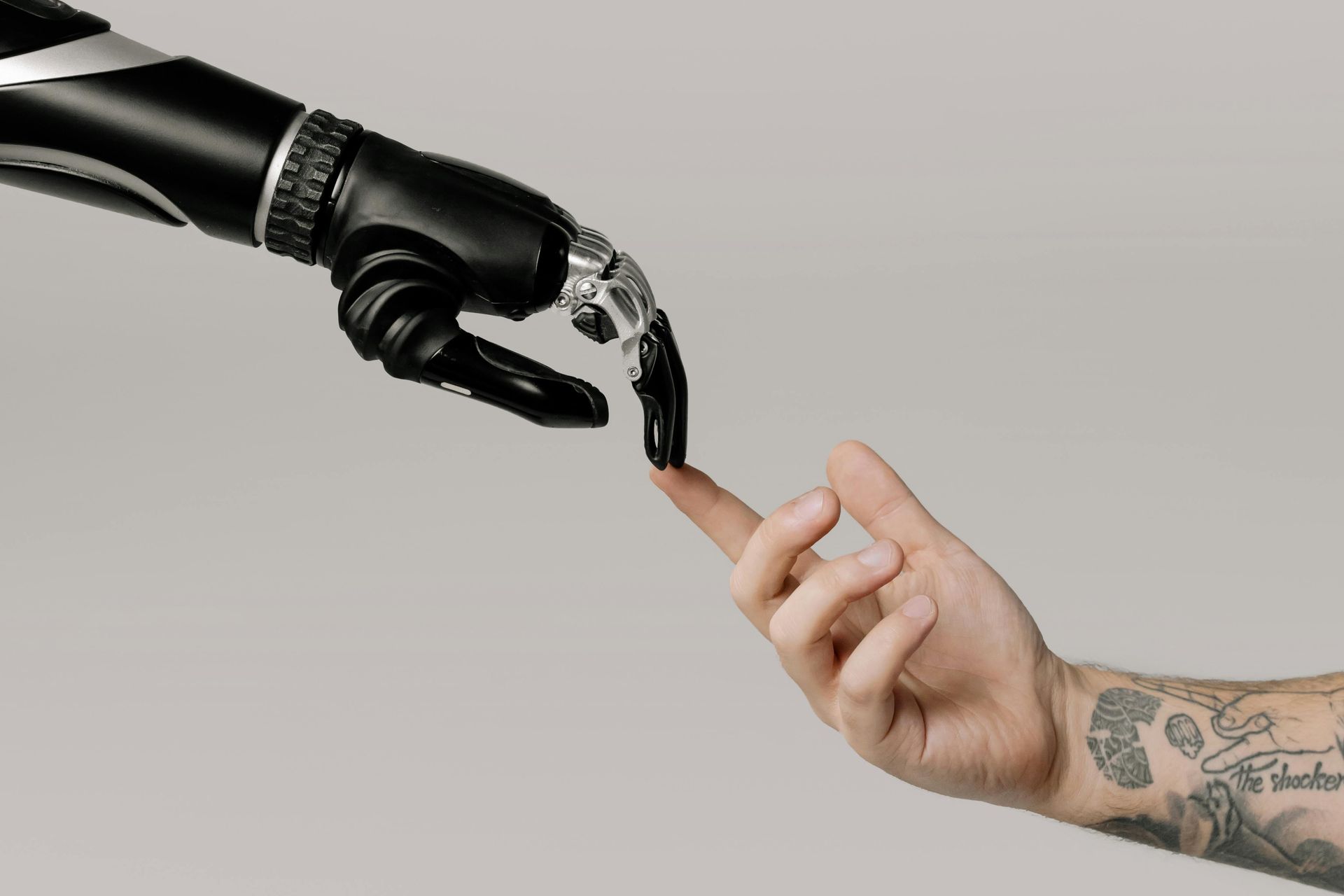
The most effective model is hybrid. AI handles the repetitive data checks, while skilled payroll professionals review results, interpret gray areas, and ensure compliance.
The Role of Payroll Experts in the AI Era
Payroll professionals bring something AI cannot replicate: context. They know that an actor’s drop and pickup clause affects how their time is calculated, that a stunt performer’s hazard pay can alter benefit contributions, and that a local union may have negotiated special side terms.
In practice, payroll expertise ensures:
- Contract compliance: Interpreting and applying provisions correctly across diverse agreements.
- Audit readiness: Documenting payroll decisions in ways that withstand union or fund audits.
- Human judgment in disputes: Navigating disagreements between crew and production where empathy and diplomacy are as important as contract language.
- Training and mentorship: Guiding new payroll clerks and accountants who must learn both systems and contract logic.
As AI takes on more mechanical tasks, the role of payroll professionals will evolve toward higher-level review, compliance oversight, and dispute resolution.
Risks of Over-Automation
The promise of AI can obscure its risks. Some of the biggest include:
- Loss of institutional knowledge: If payroll companies over-automate, they risk hollowing out the pipeline of skilled professionals who understand the contracts deeply.
- Bias in algorithms: AI systems trained on incomplete or biased data sets may produce inequitable outcomes, such as misclassifying categories of work.
- Regulatory blind spots: Wage and hour compliance is governed not only by contracts but also by federal, state, and local law. AI may not keep pace with frequent regulatory changes.
- Data security concerns: Payroll involves sensitive employee data, and AI systems introduce new vectors for cybersecurity risk.
Productions and payroll providers must address these risks directly to avoid costly missteps.
Strategic Integration of AI
So, what does successful integration look like? A few guiding principles stand out:
- Transparency: Payroll teams should understand how AI systems reach their conclusions and be able to audit outputs.
- Human-in-the-loop: Every AI-generated calculation should be reviewed by a qualified payroll professional before final approval.
- Ongoing training: Payroll professionals should receive training not just on contracts but also on how AI tools function, so they can spot errors quickly.
- Contract-specific customization: AI tools should be configured to recognize the nuances of individual agreements rather than applying one-size-fits-all rules.
- Regular compliance checks: AI systems should be tested against live payroll scenarios to ensure accuracy across different unions and production types.
When integrated thoughtfully, AI can enhance rather than replace the expertise that drives accurate and compliant payroll.
Looking Ahead
The entertainment industry thrives on innovation, but it is also built on tradition and trust. Crew members rely on accurate paychecks and benefit contributions. Unions rely on adherence to negotiated terms. Studios and producers rely on payroll teams to keep them in compliance and out of disputes. AI has an important role to play in supporting these outcomes, but it cannot stand alone.
As discussed in The Future of Entertainment Payroll, the next decade will be defined by the balance between technology and expertise. AI will accelerate processes, but the human element, including knowledge of contracts, judgment in gray areas, and empathy in resolving disputes, will remain the cornerstone of payroll.
Conclusion
Entertainment payroll in the era of AI is not about replacement. It is about partnership. AI can reduce repetitive work and streamline workflows, but it is only effective when paired with the deep contract knowledge and compliance instincts of payroll professionals. Productions and payroll companies that embrace this hybrid model will be best positioned to thrive: efficient, accurate, and trusted by the people whose livelihoods depend on every paycheck.
As the industry navigates this transformation, one principle must remain clear: technology supports the process, but expertise defines the outcome.
Share this Post