Casting Negotiations to be Held the Week of August 26th

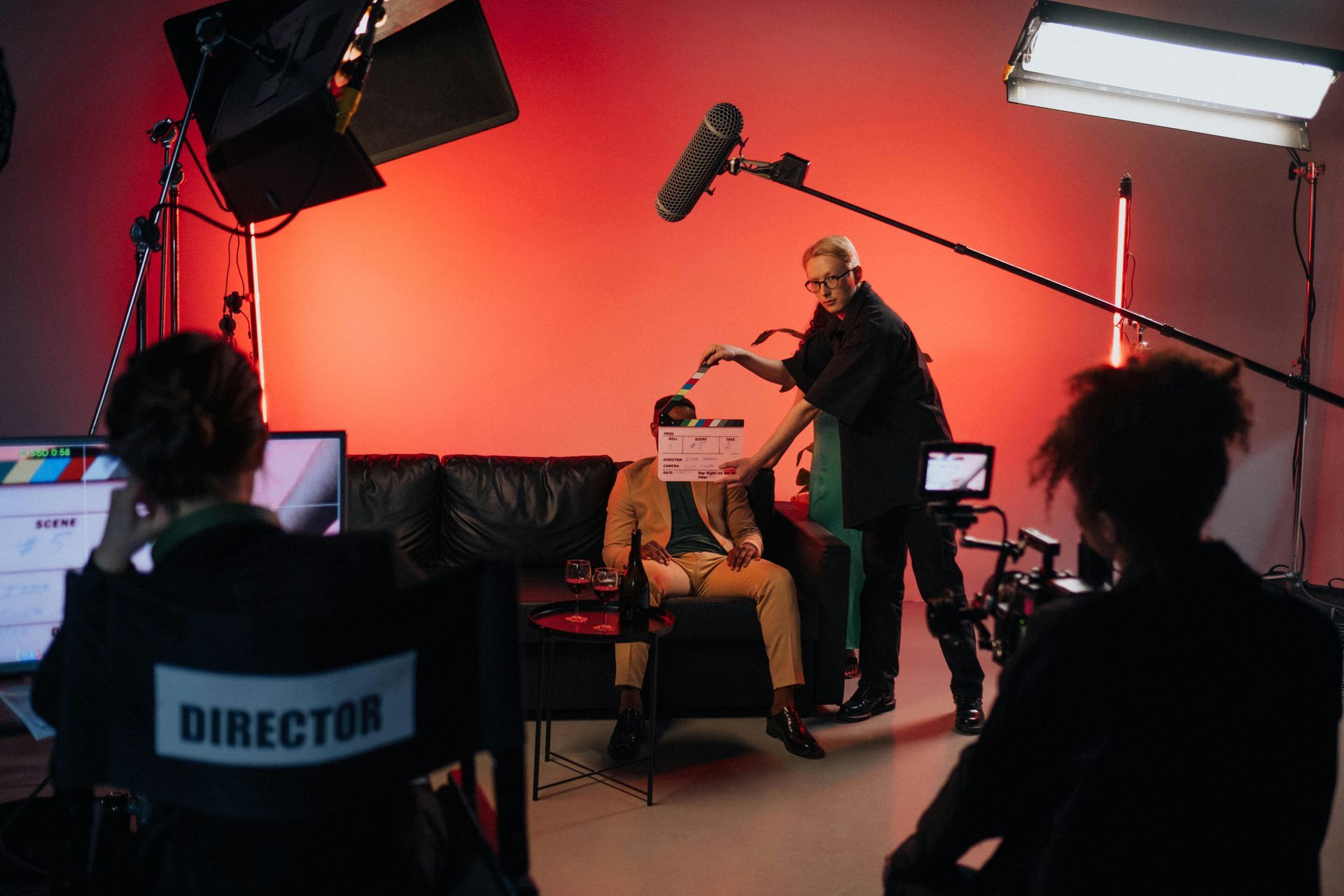
On Monday, the Teamsters resumed negotiations with Hollywood studios for a new three-year Casting Agreement. This marks the bargaining unit's initial discussions with the Alliance of Motion Picture and Television Producers following the Casting Assistants' decision to join Teamsters Local 399 and 817 seeking representation. They are now united with Casting Directors and Associate Casting Directors, who have been part of the union since 2006.


One of the main goals is to set a minimum pay rate for Casting Directors, as their rates have traditionally been subject to individual negotiation. Additionally, the union aims to attain higher wage minimums for Associate Casting Directors. These priorities also extend to Casting Assistants, with an emphasis on incorporating them into all collective contract terms and implementing a yearly wage increase. Currently, the union consists of 91 casting assistants, with a projected growth of up to 200 members.


The existing casting deal is set to expire on September 30. Currently, only one week of negotiation has been planned between the Teamsters and the AMPTP, but there is ample time before the deadline to secure additional meeting dates if necessary.


Hollywood unions and guilds, such as SAG-AFTRA, the WGA, and the DGA, have shown their support for casting professionals. On Friday, before the beginning of negotiations, the unions called on the AMPTP to negotiate fairly, prioritize important issues, and recognize the importance of Casting Teamsters in their work.


The statement went on to mention that the Casting Department is essential to every production, and their efforts in past union and guild contract battles have been invaluable. The Hollywood unions and guilds fully support their quest for a just and balanced agreement.


Share this Post

A person in a tan blazer talks on a phone while standing in a modern office boardroom overlooking a city.
June 16, 2026
Know when to bring in a fractional labor relations executive to manage growth, audits, and union compliance without full-time overhead.
A person's hand typing on a laptop with a blank white screen, set on a wooden surface.
June 11, 2026
Explore modern entertainment payroll training with real scenarios, timecard simulations, and hands-on modules that build practical skills.
A team sits around a conference table in a modern office, collaborating on documents and charts during a meeting.
June 9, 2026
Learn how structured payroll training reduces errors, improves efficiency, and strengthens team performance across complex payroll environments.
A silver laptop with a dark screen sitting on a wooden floor in dim, dramatic lighting.
June 5, 2026
Explore why knowing payroll rules isn’t enough—learn how real-world application impacts compliance, accuracy, and risk in entertainment payroll.
Two people seated at computer desks in an office, looking at a computer screen while collaborating on a project.
June 1, 2026
Explores why on-the-job training fails in modern production and why structured payroll training is essential for accuracy, compliance, and efficiency.
A glass ceiling with dark metal structural beams forming an X pattern, framed by tall, modern buildings.
May 28, 2026
Payroll careers stall without union and workflow expertise. Learn how structured training accelerates advancement and increases compensation.
A person in a white shirt sits at a desk with a laptop, resting their head on their hand with a pensive expression.
May 25, 2026
Common payroll errors that trigger audits, from fringes to penalties, and how structured training helps prevent costly compliance issues and risk.
A person in a gray blazer works at a wooden desk with a laptop, calculator, and piles of US currency on paperwork.
May 22, 2026
Learn how hands-on timecard training builds payroll accuracy, confidence, and real expertise beyond theory and AI summaries.
A person at a desk with a laptop and pen, looking thoughtful in front of a whiteboard with handwritten calculations.
May 19, 2026
What payroll professionals must actually learn: CBA interpretation, working conditions, fringe calculations, and managing real payroll cycles.
More Posts